Fleshcrafting
The RookFleshcrafting is the Grafters’ practice of radically altering the human body, a discovery that transformed a medieval brotherhood’s alchemical ambitions into a formidable source of power. Its history links experimental craft to engineered bodies, military force, and the long conflict between the Grafters and the Checquy.
Origins and Capabilities
The Grafters began as a brotherhood of alchemical investigators financed by wealthy nobles who hoped they might turn base materials into gold. They did not achieve that goal, but they developed a technique of bodily transformation: flesh and bone could be reshaped, limbs attached, and new creatures made. The craft offered capacities that its patrons could regard not merely as study but as a means to acquire power.
The brotherhood became affiliated with the government of the time and spent the following centuries refining its methods. During this period, the Grafters largely kept to their research, while the Checquy knew of them but did not initially consider them a major concern. That assessment changed when the Grafters’ work yielded highly efficient killing machines and, later, an augmented regiment mounted on enormous hybrid creatures.
From Experiment to Warfare
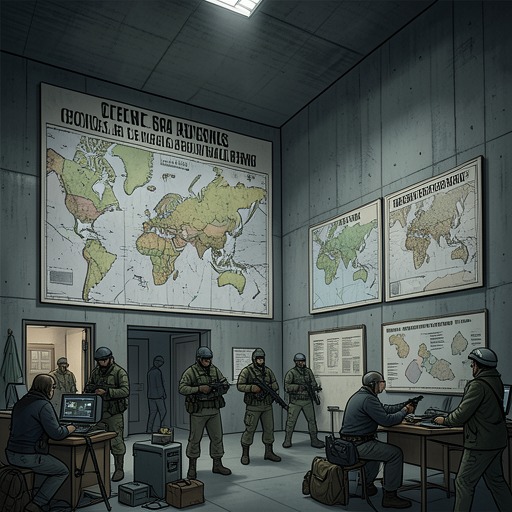
The military potential of fleshcrafting became decisive in 1677, when Grafter-made forces invaded the Isle of Wight and supernatural war reached British soil. The Checquy responded by deploying Pawns under the command of the Rooks. Fighting continued for three weeks, with hundreds of civilians killed and Checquy troops paying a heavy cost to bring down each Grafter creation.
The invasion demonstrated that fleshcrafting could produce forces capable of confronting the Checquy in open battle. A group of twelve Checquy troops killed seventeen of the invaders, while Pawn Hamish McNeil released an abnormal disease that caused Grafter troops to collapse. The final opponent, the Grafter general, could not be defeated by the Checquy’s available attacks; Rook John Perry ultimately linked his mind to the general’s and killed them both. The victory came at an immense cost, underscoring the danger created by the Grafters’ bodily engineering.
Later Grafter Augmentations
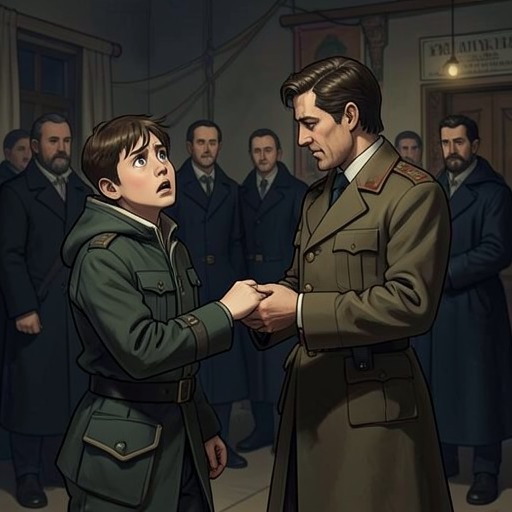
The craft remained central to the Grafters’ capabilities centuries later. When the Checquy interrogated Peter Van Syoc, Dr. Crisp explained that Van Syoc’s body had been threaded with fibers and devices, and that he did not fully control his augmentations. The discovery carried a further implication: Van Syoc was not the only presence looking out through his eyes during the interrogation. Fleshcrafting, in this instance, was not simply a visible alteration of the body but a means through which the Grafters could maintain influence within an augmented person.
Significance
Fleshcrafting shifts the boundary between a person and a constructed weapon. The same practice that permits the reshaping of bodies and creation of new creatures also gives its practitioners a means to build soldiers and extend their reach through implanted devices. Its consequences recur across the conflict: the Checquy first underestimates the Grafters, then faces their engineered forces in war, and later discovers that Grafter augmentation can conceal control within an apparent individual. The technique is therefore both the Grafters’ defining craft and a continuing security threat.